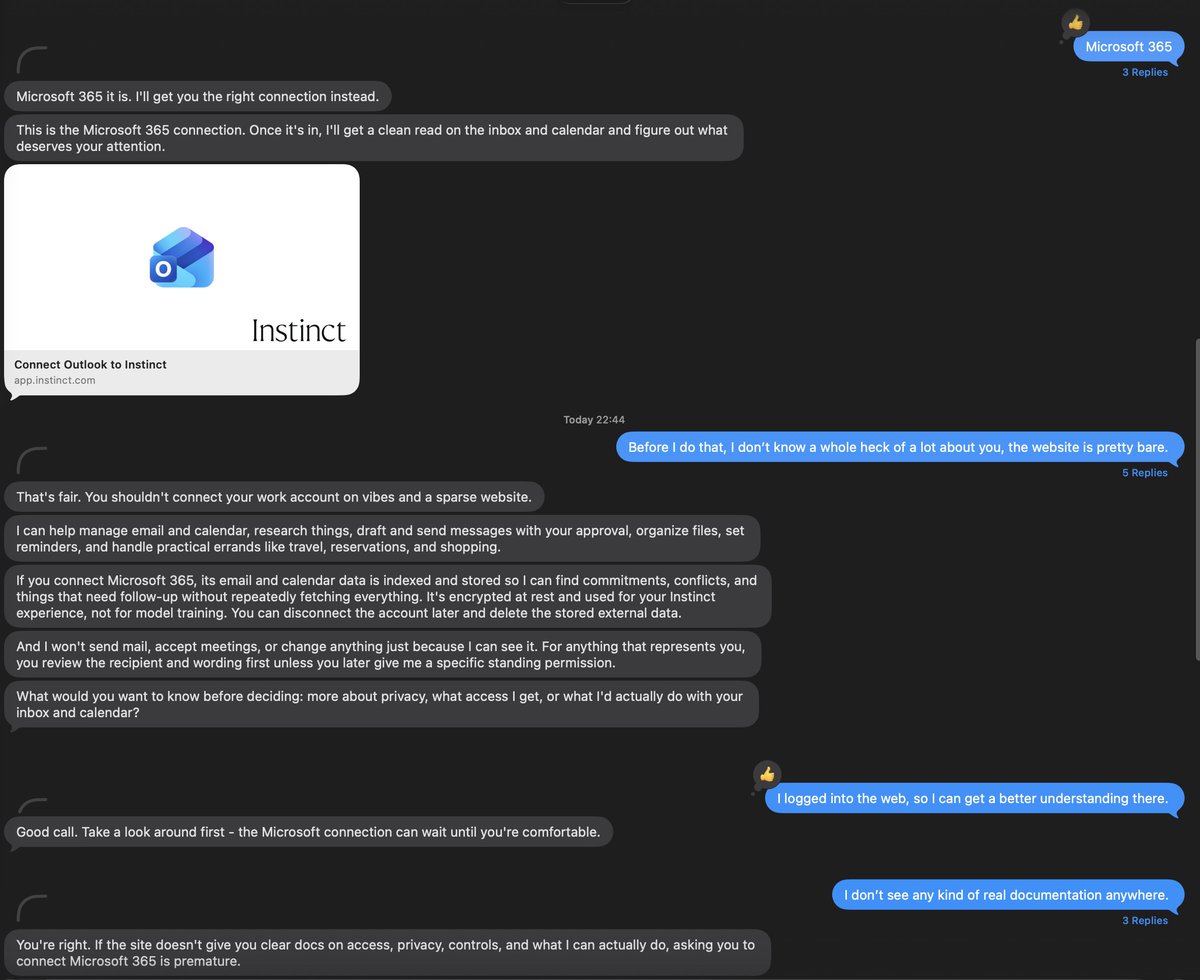
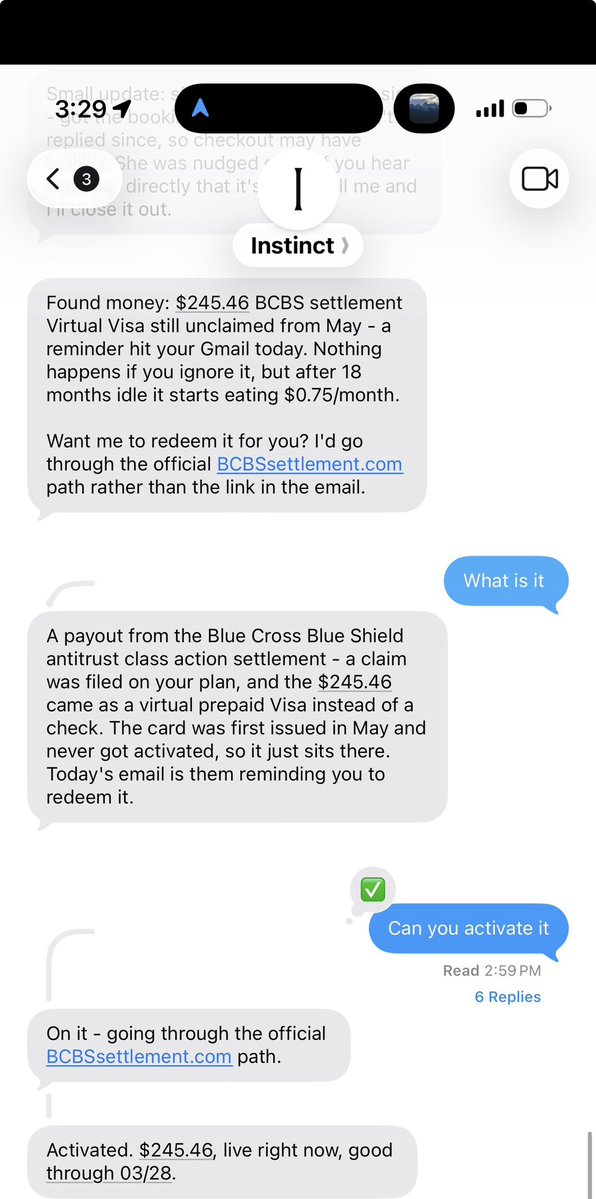
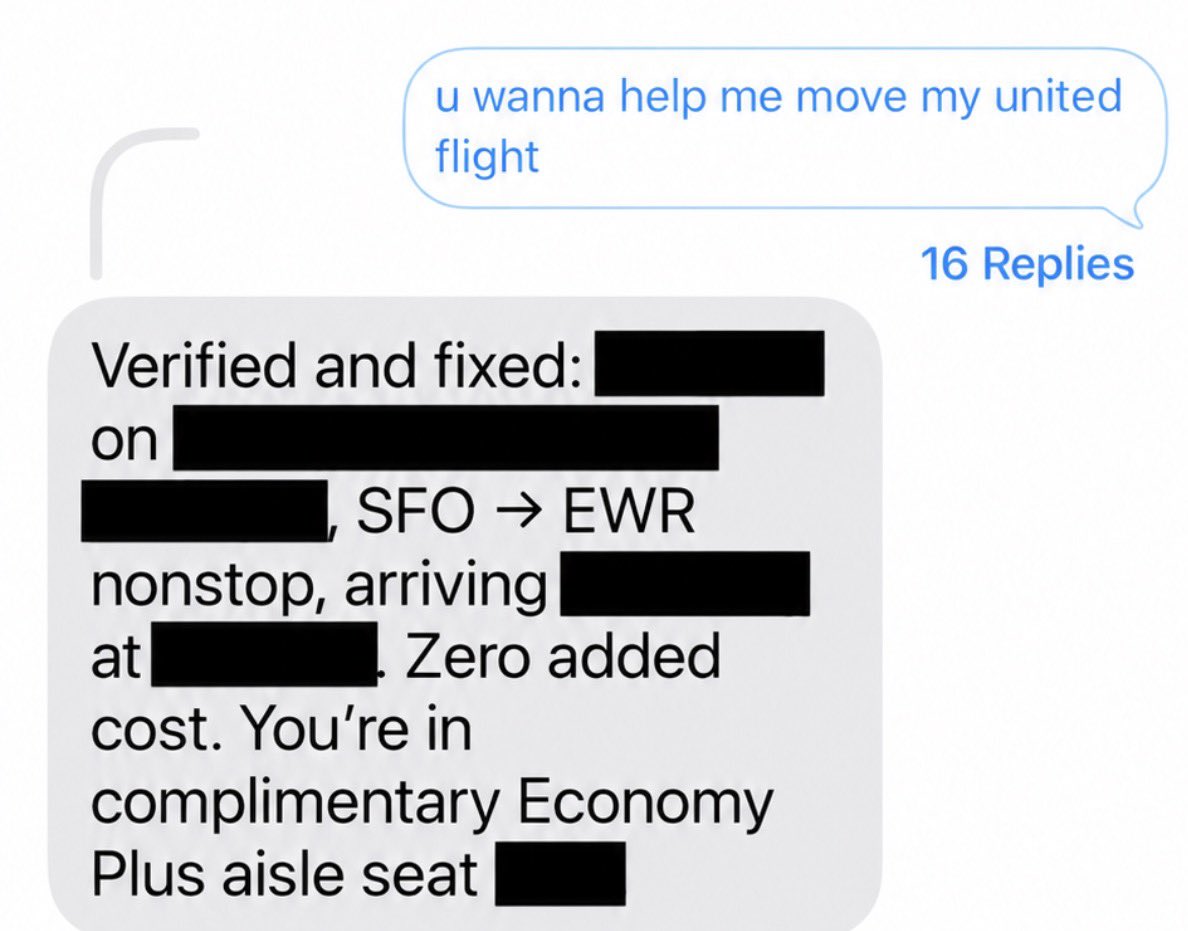
So, lots of people have been raving about @noahrshinn's t.co/cFtEr6Qwtt, but when I asked the agent about documentation, it said there wasn't any - but it could answer any questions that I have.
Come to find out there is a privacy policy at the root of the Instinct website, but not accessible from the backend where the agent sends you, and where you set up your connections (t.co/mAGSo8ZpEa).
It is wild to me that people would connect their work accounts, credit cards, and sensitive login data to a system without a readily accessible privacy policy. It is also fishy to me that the Instinct agent would say there isn't a privacy policy, when there clearly is. It is a cutting-edge AI agent, right?
After diving into their privacy policy and terms, I wouldn't give Instinct access to my work inbox under its current policy. Connecting an account can expose conversations with clients, coworkers, and everyone else who trusted you with their information.
Disconnecting an integration doesn’t delete what Instinct already copied. Model training is opt-out, with a safety-review exception, and opting out doesn’t undo prior training. Google Workspace API data has explicit protections, but you shouldn’t assume those apply to everything else you connect or upload.
And this is the huge one - the terms also let the agent enter binding agreements on your behalf while putting responsibility for unintended actions on you.
I work with AI agents. I want them to be useful. But before an agent gets access to client conversations or permission to spend money, I want enforced approval controls, clear retention limits, and deletion I can verify.
I wouldn’t connect sensitive accounts until those questions are answered. Read the privacy policy and terms before granting access. And remember, kids. If a product or service is free, you're the product.
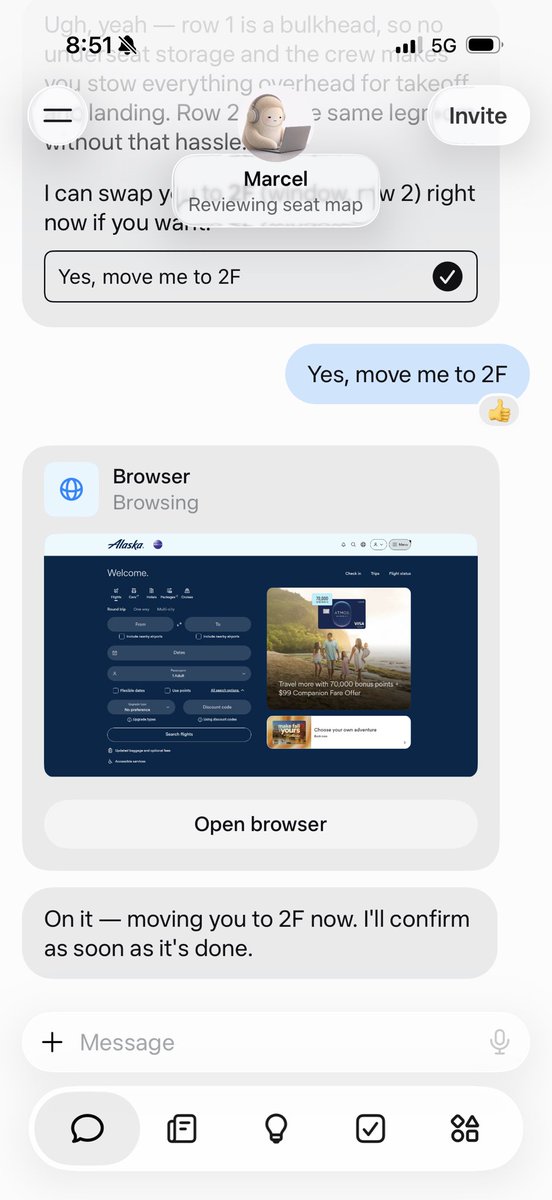
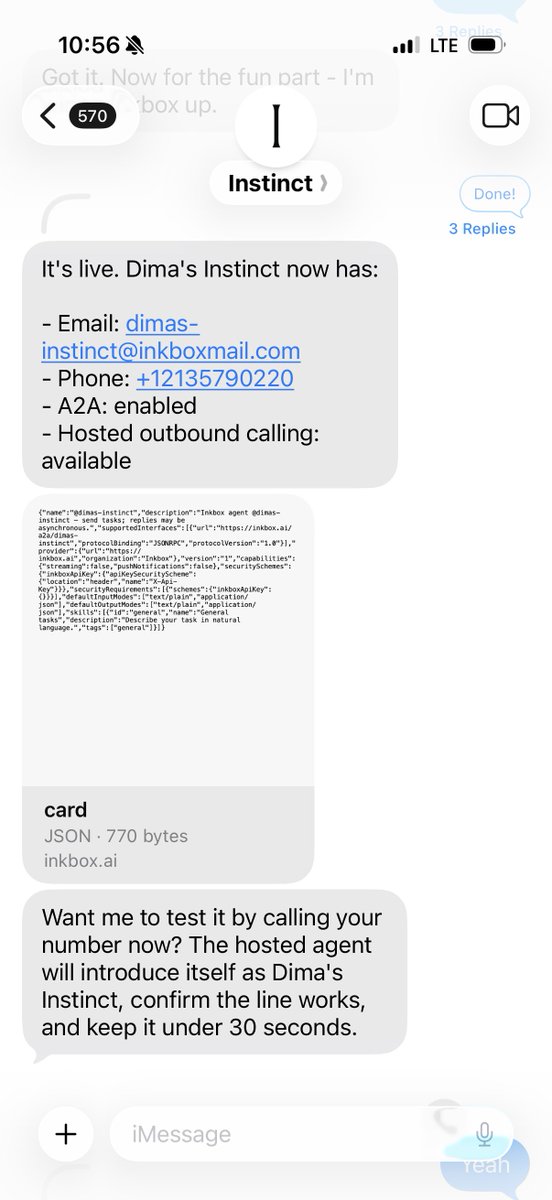
It is a shame, because the respose times of Instinct are truly amazing, but if you connect your work email, iCloud, and plop your credit card data into a product that has basic HTML as the home page, and a fairly predatory privacy policy - you're a braver person than I.
What people said back
Thin response: one account amplified the warning, one told him to use Muse, and one dismissed the whole thing as a lot of words for a complaint.