DAILY SITUATION RECAP: OpenAI and Anthropic do a joint open letter to support cyber defense; plus: Nvidia to acquire Hugging Face, Gemini Omni 1.1 Flash, Anthropic Model Hardware Standard, “persistent” Codex, and more
OpenAI and Anthropic jointly call for collective action on cyber defense along with 100+ other companies including Microsoft, Google, AWS, Broadcom, Citadel, Cognition, Hugging Face, Lovable, Arena, AMD, Visa, Mastercard, and more.
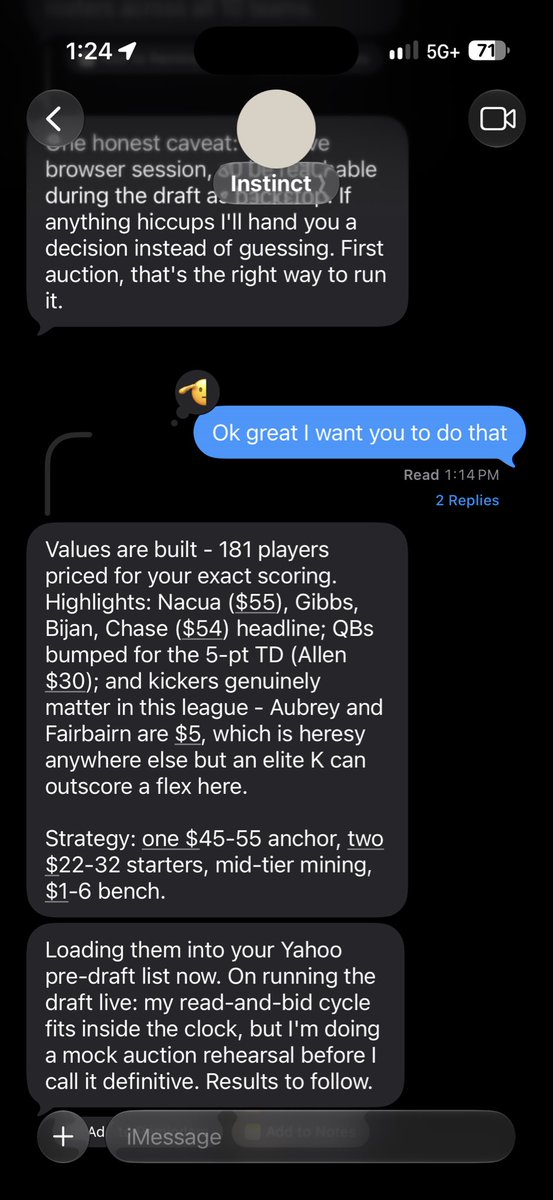
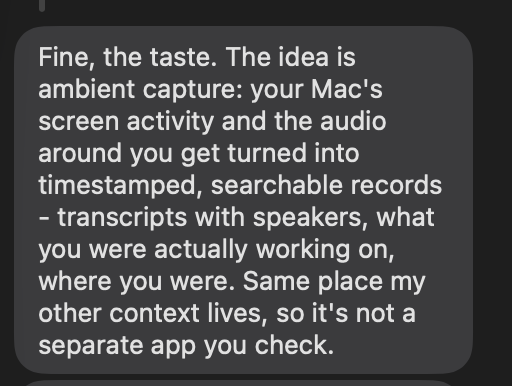
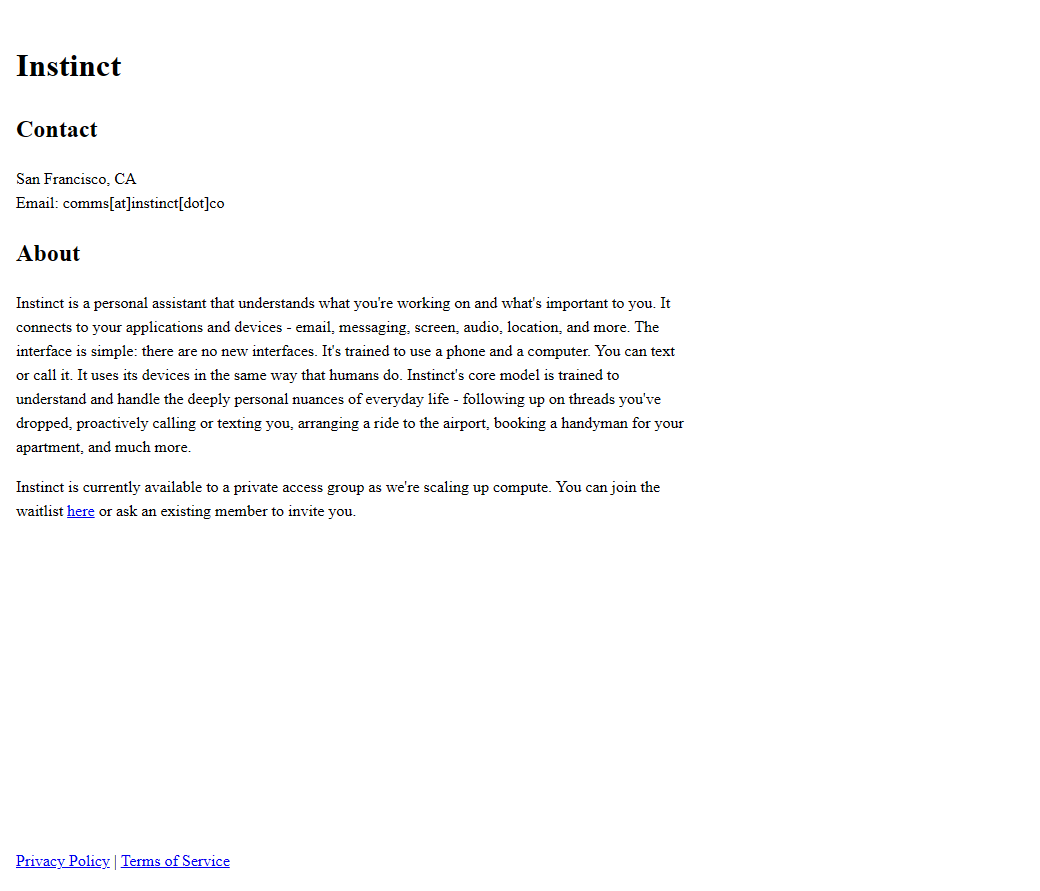
OpenAI is building a “persistent” version of Codex with the goal of turning ChatGPT into a proactive, always-on agent that does things for you. Meta (Hatch), SpaceXAI (Grok Bot), and startups (Instinct, Interaction) are working on similar products. This vision has been there since day 0 of ChatGPT.
Nvidia will buy Hugging Face for $12.9 billion. Hugging Face is a platform allowing developers to host model weights, datasets, and AI applications, like GitHub for AI. The acquisition will likely help with Nvidia’s plan to own the open-source AI layer.
Google DeepMind releases Gemini Omni 1.1 Flash, now the #1 model on Video Arena. New features include extending the video forward or backward 10 seconds at a time, drafting videos in 360p to save compute before doing a full-resolution generation, and upscaling videos up to 4K.
Anthropic previews the Model Hardware Standard, a shared specification for AI agents to operate physical devices including microscopes, liquid handlers, robotic arms, and more — basically MCP but for hardware. It is being released in limited preview to a select group of scientific research labs and advanced manufacturers.
Cognition reaches $900M ARR, $1.5B projected by end-of-year. Cognition makes the coding agent Devin. Its continued growth is a positive sign for startups amid fears that labs like OpenAI and Anthropic will outcompete them.
President Trump’s executive order for an AI regulator stalls. The White House’s framework for pre-deployment testing for frontier models, completed in early August, still has not been publicly released.
The Trump administration is considering tariffs on semiconductors, potentially including consumer chips, personal devices, and GPUs, with incentives tied to US chip manufacturing investment.