Random thoughts:
1. I have this broad feeling that the average person doesn't want to "do"/"create" things as nearly much as they want to "consume"
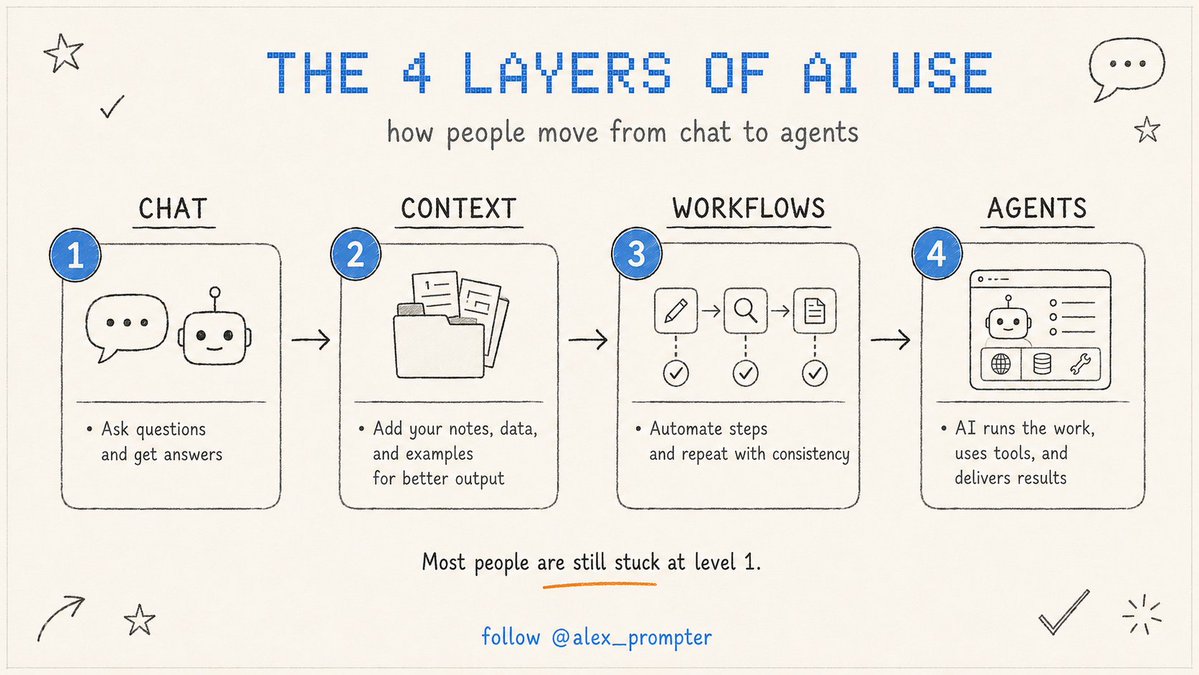
2. I've been extremely excited by all this new AI consumer product innovation but the latter point feels like it's missing (ie new innovative products where users consume), esp since the focus is on agents (that "do")
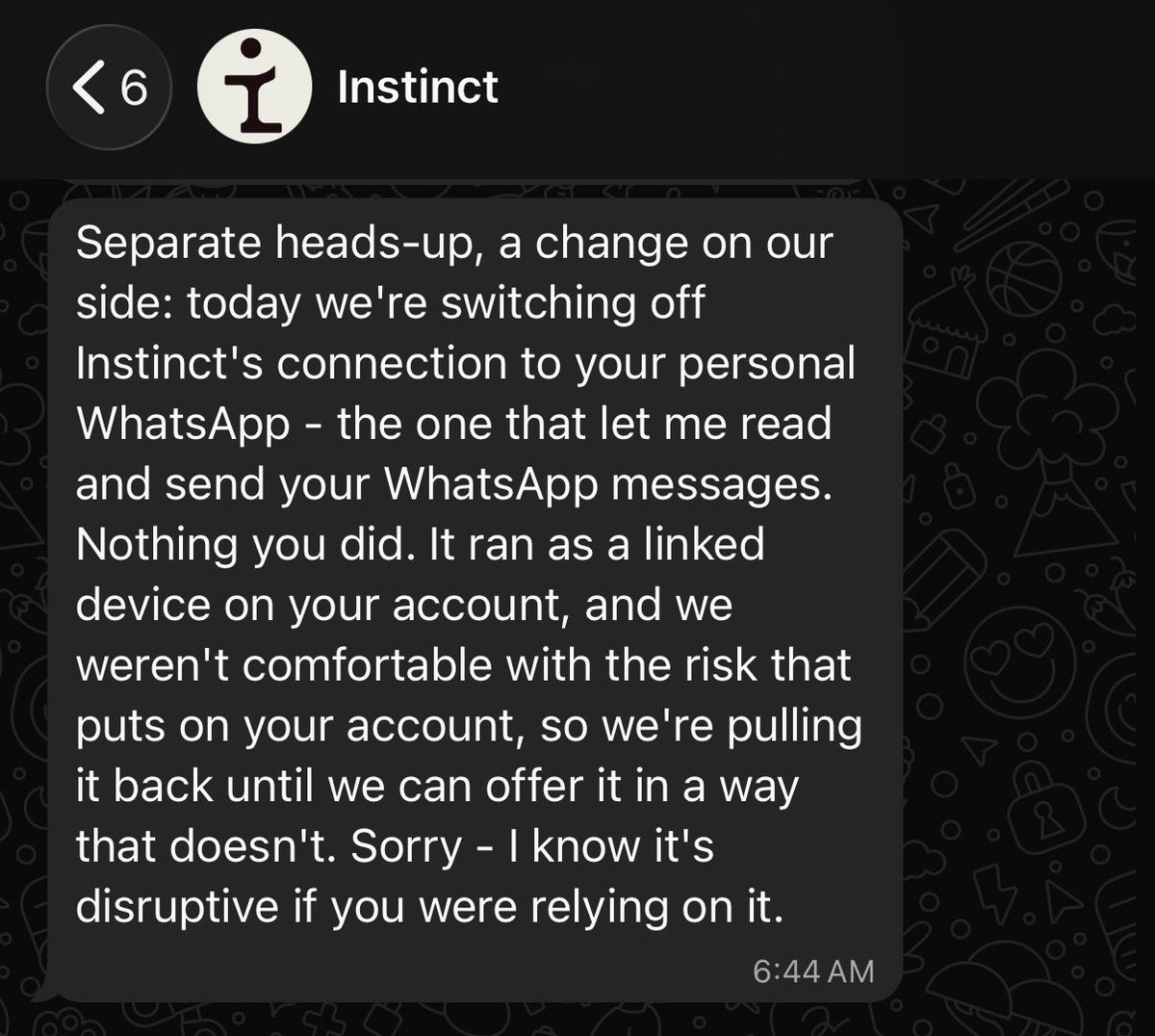
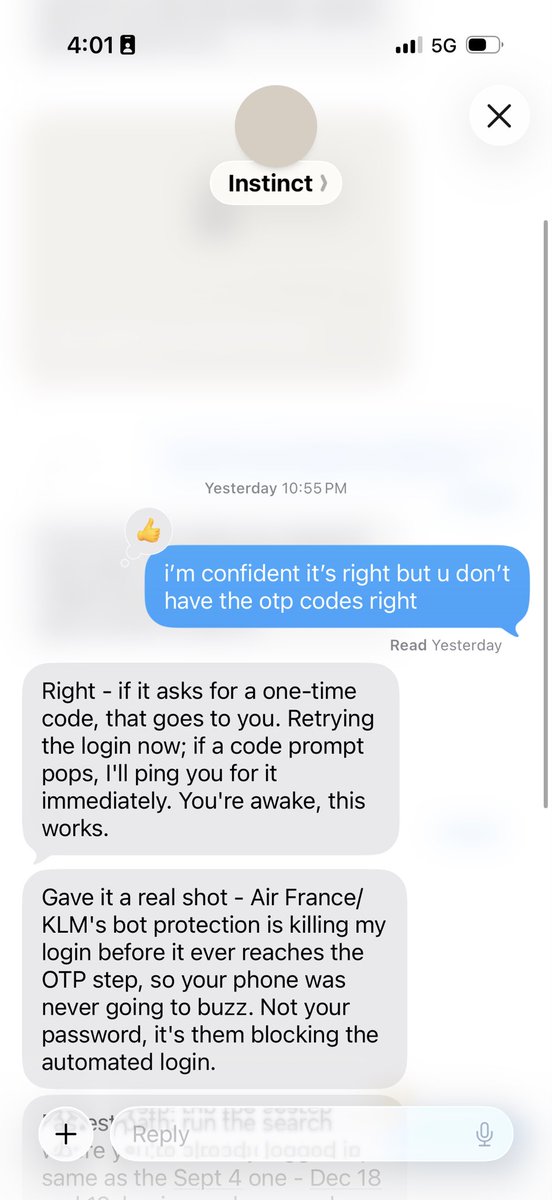
3. I think what can often be missed by the consumer agent era that we're entering is that most people *can't* connect personal systems with work systems, especially people who work at large enterprises with stringent IT permissions/etc. This has big implications in terms of an agent's usefulness (ie personal agent connected to personal systems can't connect to work outlook/teams/etc.) and also the fact that the majority of agent workflows to "do" rather than "consume" are handled by a person's work systems (ie enterprise procured claude/chatgpt/factory/notion/etc.). In other words, the search space of "useful things to do" dramatically reduces if systems are bifurcated between "personal" agents and "work-procured" agents
4. I think this empathy for how "real world" systems works is super important for people who are building for the average person yet don't have the same constraints as the average person (ie most VCs/founders can flexibly intertwine their personal and work systems which I'm deeply jealous of)
5. This introduces a whole host of important yet unsexy problems that I'm too personally lazy to think through: what happens when you add personal agents to groupchats with friends, or with coworkers or even introduce personal agents into work systems and vice versa. Even like, what happens if you introduce a personal agent that *you* pay for into a groupchat with people that haven't paid for that product? There feels like there's multiple, multiple layers of RBAC that we haven't seen historically yet
6. Relatedly, I'm seeing a lot of people talk about "moats" recently on the TL but I think people often conflate the difference between "immovable walls" (hard-to-replicate things) and "compounding effects" (accelerants). For example, physical infrastructure (securing powered land, building that factory, etc.) is hard to do, but is it a moat? Compared to like network effects, marketplace dynamics, etc. that really exponentially compound growth. I don't personally care which definition sentiment lean more to for "moat" but I do think that founders should likely optimize more for the latter (compounding effects) in the beginning
7. This is arguably the *best time* to build new products with all the muscles we learned in the 2010s: multiplayer, status, network effects, marketplaces, etc.
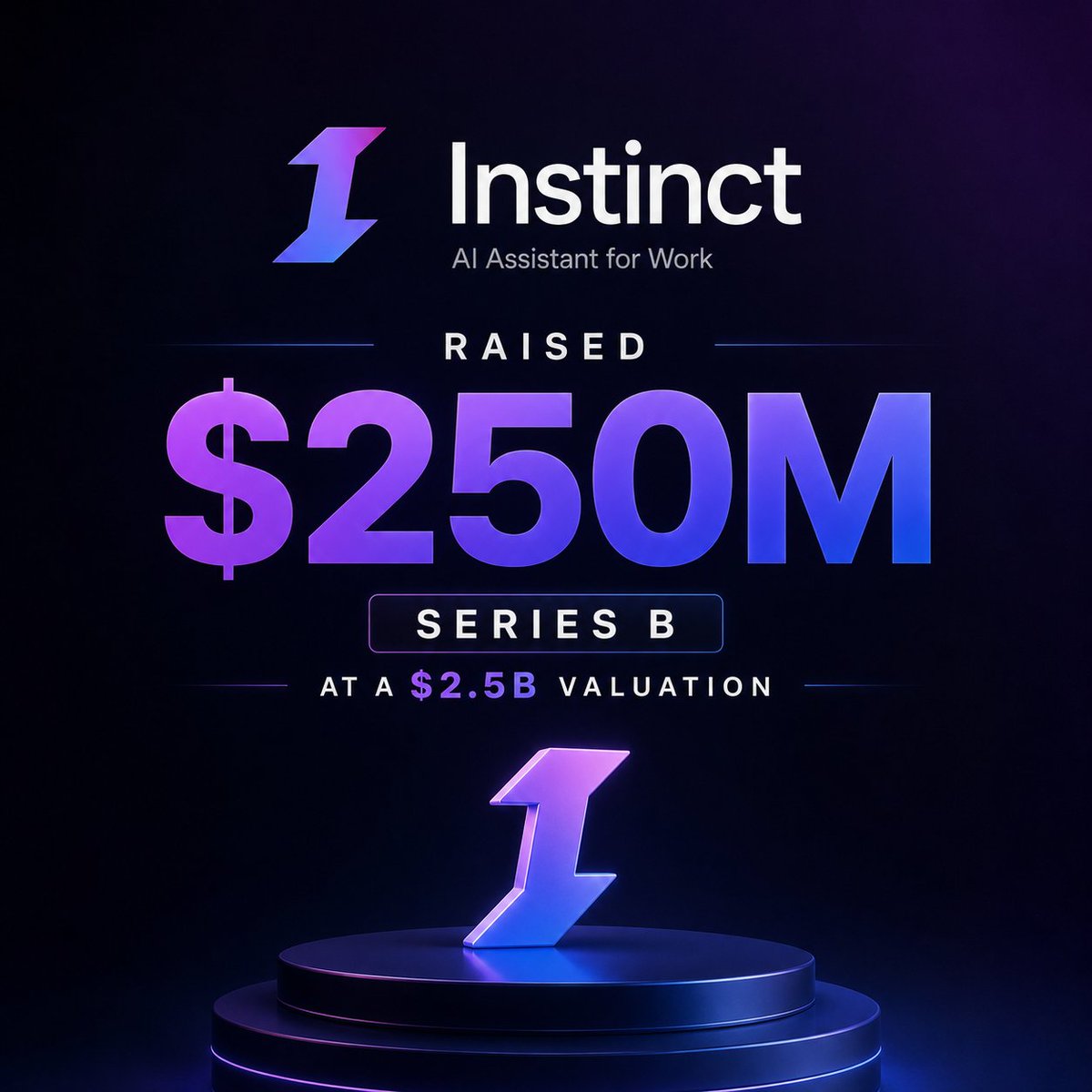
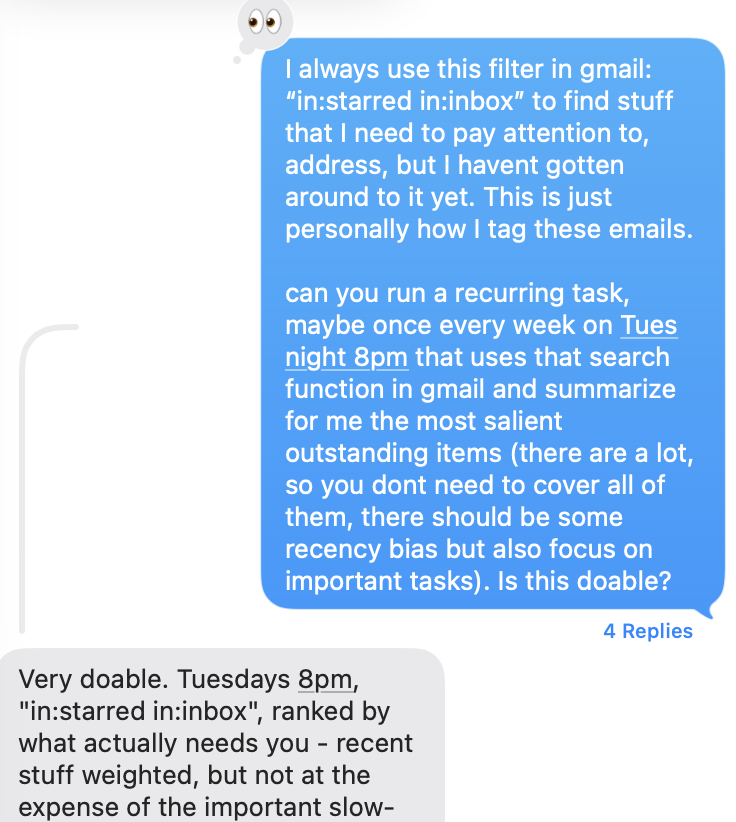
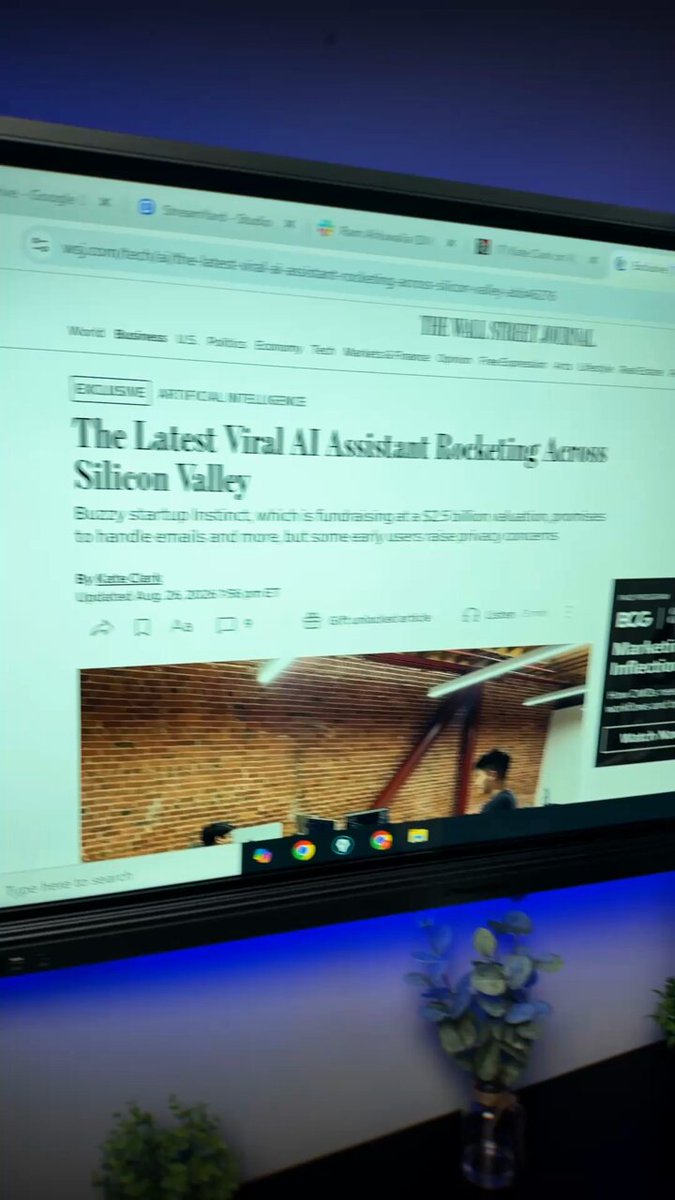
8. Instinct is (so far) the best personal agent I've used I think. It came up with the best gluten free restaurant recs in Japan/Korea for my honeymoon so far with very little work on my end! (I've used it for like 3 days don't come at me). But again, i'm not really using it as a replacement for my work related workflows since I have firewalled enterprise-procured systems and I don't have *that much* personally that I want to "do" or "automate"
Ultimately I'm very excited for new innovative AI products where I can consume/share things with friends and people I have yet to meet