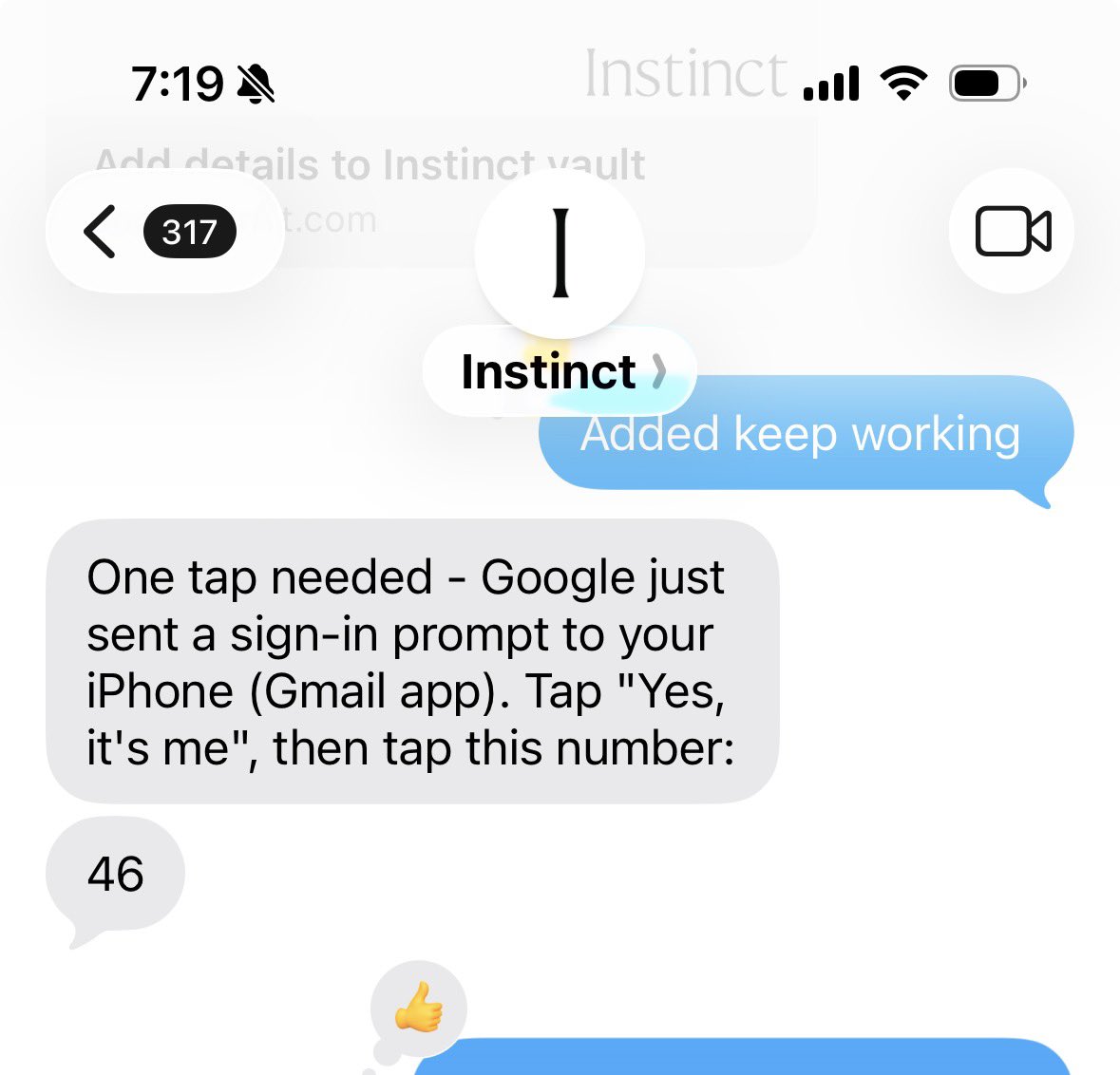
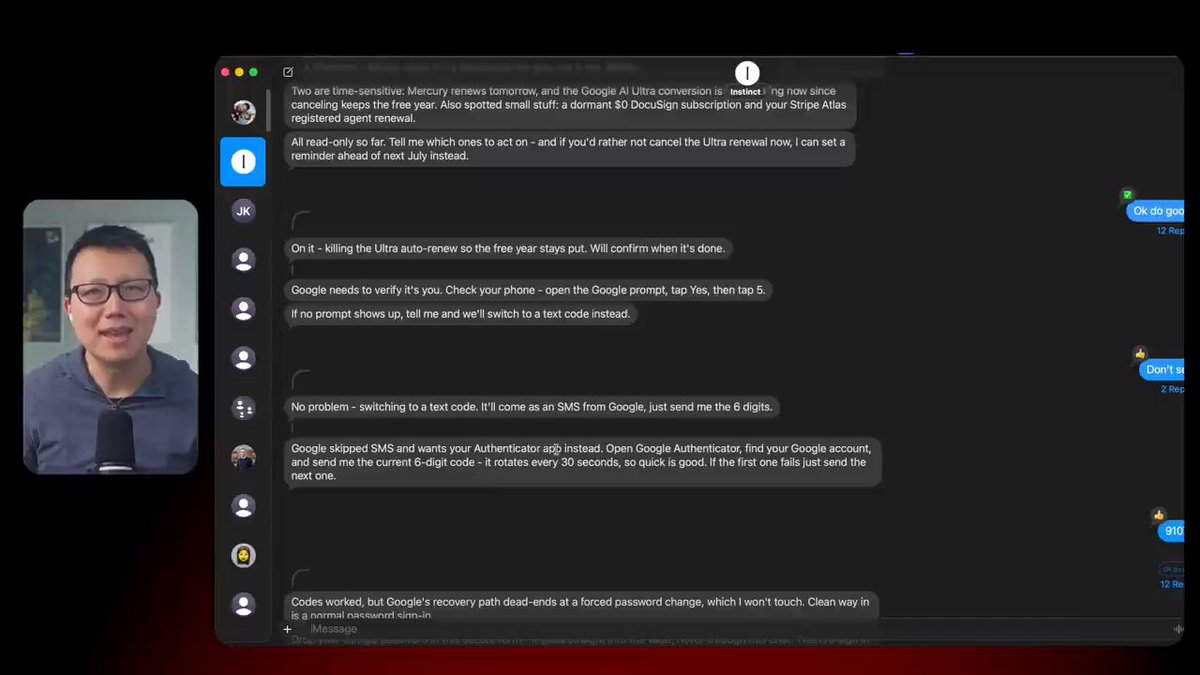
The Instinct situation is the “I told you so” moment for agent infrastructure.
We love this industry.
We believe deeply in agents.
But worship of early demos has gotten completely out of control.
Another poor build.
Our entire team at @OpheliaAPI has been warning teams and investors about this for months.
Giving an LLM a browser, credentials, and direct access to consumer systems is NOT agentic commerce infrastructure.
It’s a liability.
The BTS here says it all: ~200 API requests/hour, availability sweeps every 10 minutes, and bursts polling every ~400ms.
That isn’t some mysterious AI failure.
It’s what happens when an agent is given direct access without the infrastructure to govern that access.
And now the consequences are hitting users.
First sensitive data, now accounts.
Sort of reminding me of Phia.
This is exactly why the infrastructure layer matters.
Agents need identity, scoped permissions, rate controls, provider-aware workflows, caching, transaction boundaries, observability, and auditability between the model and the systems it’s acting on.
The model should express the request.
Infrastructure should control what actually happens.
Shipping autonomous systems into people’s lives without building the infrastructure to control what they can access, how often they can access it, and what they’re authorized to do isn’t innovation.
It’s reckless.
Because when systems fail, a benchmark doesn’t take the hit.
A real person does.
Their account.
Their money.
Their reservations.
Their private data.
Their trust.
This is exactly why we believe infrastructure is the real unlock for agents.
Two strikes.
Everyday people are paying the price for shipping a demo before building the rails.
Broken trust is very hard to repair.
What people said back
Thin and testy: one reply mocked the post's formatting rather than its argument, another asked what Instinct even is, and a third agreed that unbounded access, not the model, is the liability.